UNESCO Chair Con-E-Ect
UNESCO Chair on “Conservation and Ecotourism in Riparian and Delta Ecosystems”
CON-E-ECT AT A GLANCE
The institution of Chairs was established by UNESCO 24 years ago, with the aim of promoting research, implementing and disseminating innovative actions, building university networks and encouraging inter-university cooperation in Higher Education.
The UNESCO Chair, Con-E-Ect “Protection and Conservation in Riparian and Delta Ecosystems and Development of Ecotourism” is based at the International Hellenic University – Kavala Campus. The aim of the Chair is to create an international framework of a common strategy for the protection and conservation of riparian and delta ecosystems as well as the development of ecotourism in them, at a global level.
UNIQUENESS OF THE AREA
The scope of the Edra is defined by a radius of approximately 200 kilometers, covering the geographical area from Lake Kerkini to the Evros River. It is an area of exceptional biodiversity, with rich hydrographic elements and ecosystems. Its natural wealth is one of the characteristics that makes it unique and of particular importance. In few places on the planet do you find such important ecosystems concentrated together:
- Nestos River Delta
- Evros River Delta
- Vistonida & Ismarida Lakes
- Purple Forest of Fraktos
- Nestos Straits
- Dadia Forest
- Nestos Riverside Forest (Kotza Orman)
On the other hand, as a crossroads (ancient Egnatia), the area was permeated by movements and relocations of populations that left deep traces, creating a multiple cultural identity for the inhabitants, indigenous and passers-by (folk art, traditional farming and livestock farming techniques, mythology, but also more collective ones such as cultural and social representations, religious practices).
THEMATIC AXES
The thematic content of the Chair is based on 4 pillars: Environmental Sciences, Education, Ecotourism and Culture
As for Environmental Sciences,
the Chair will work on research and classification of data related to the effects that will be created on riparian and deltaic ecosystems by climate change, given that they are the first to be affected by it, due to their direct proximity to the sea and their infinitesimal height difference with it, as well as the completion of research programs on issues related to, among others, ecohydrology, Delta management, riparian environment management, but also the ecophysiology of the aquatic environment through continuous measurements, recordings and analyses.
Regarding Culture,
the Chair aspires to create, through research and recording, a “Cultural Ark”, that is, a database that will include elements related to the intangible cultural heritage of the region of Eastern Macedonia and Thrace, in an effort to preserve and promote, on the one hand, the cultural wealth of the region and on the other hand, its optimization, for the benefit of sustainable environmental management. There is no other place on the planet that gathers so many cultural-cultural elements within a water-rich environment in such a limited area of land.
In the field of Education,
we will work to create a series of educational materials, which will concern all ages – preschool-school, student and adult. This educational material will be thematically related to riparian and deltaic ecosystems (climate change, endangered species of flora and fauna), with an emphasis on familiarizing all age groups with it (organization of riparian and lakeside summer camps, web-seminars, etc.). This will initially create the necessary philosophy and culture in all these ages, in order to embed the concept of Sustainable Development.
In the field of Ecotourism,
The Chair will attempt to train adults involved in tourism and ecotourism in best practices and in this way contribute to those interested taking action at the level of local communities in the field of Ecotourism. The main goal is to create new employment opportunities in this specific sector, especially due to the crisis in the Greek economy.
ACTION PLAN
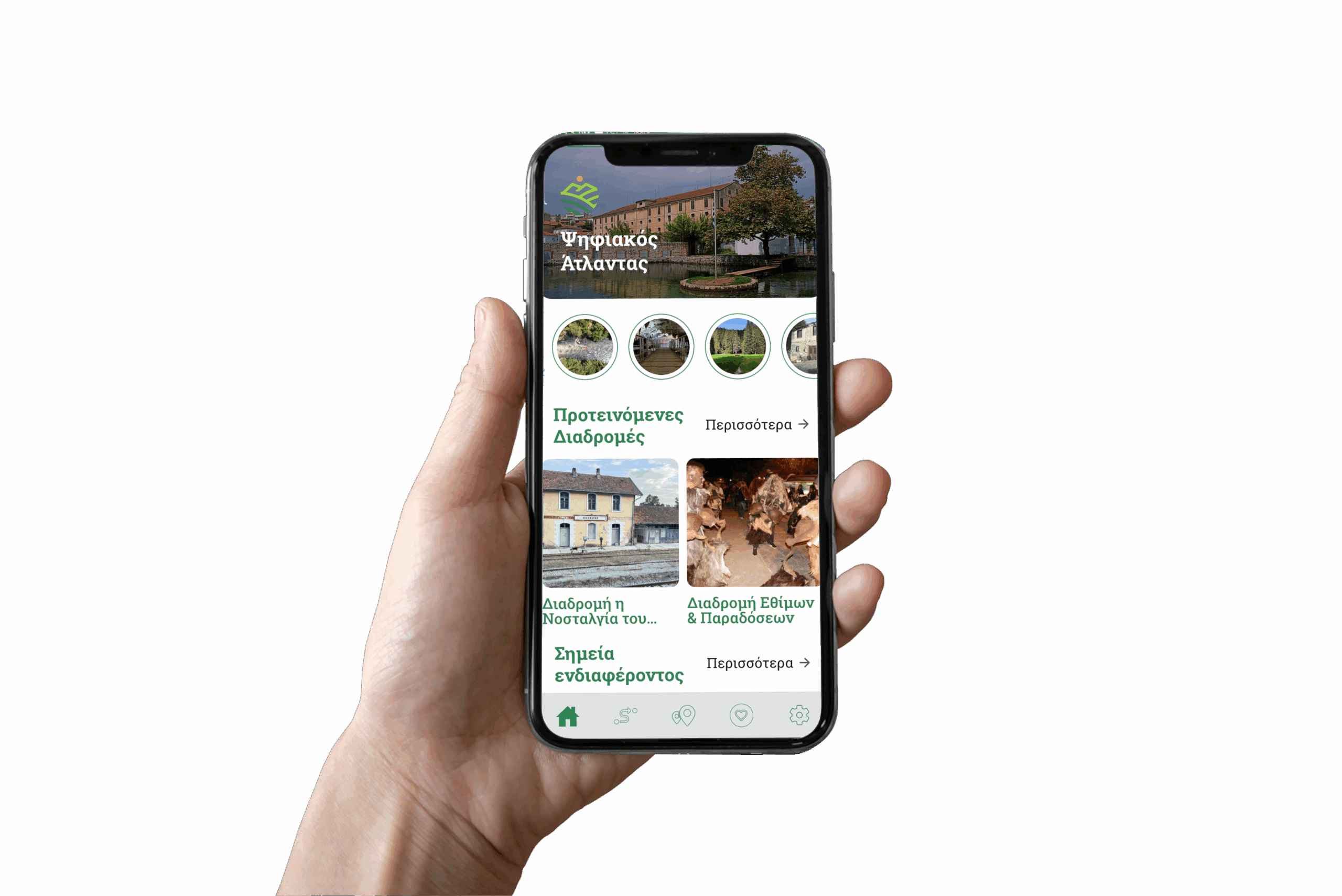
The outputs of the Chair are therefore summarized in open access databases, in codes of good behavior (behavior codes) of users and visitors of deltaic and riparian ecosystems, in manual guides, i.e. guides for the development of these areas, with an emphasis on ecotourism activities, the creation of micro-botanical thematic gardens consisting of endangered botanical species, detection of the existence of endangered fauna species, the creation of a multi-laboratory for the observation of biotic and abiotic factors, a digital cultural ark, cultural trails, etc.
OBJECTIVE
The main objective of the Chair is to derive specific findings and practices from all the outputs of the Chair that will lead to specific codes and instructions. The above, starting from our region and after appropriate adaptations, can be applied throughout the Universe. Our ambition is for this tool to one day become a UNESCO tool.